
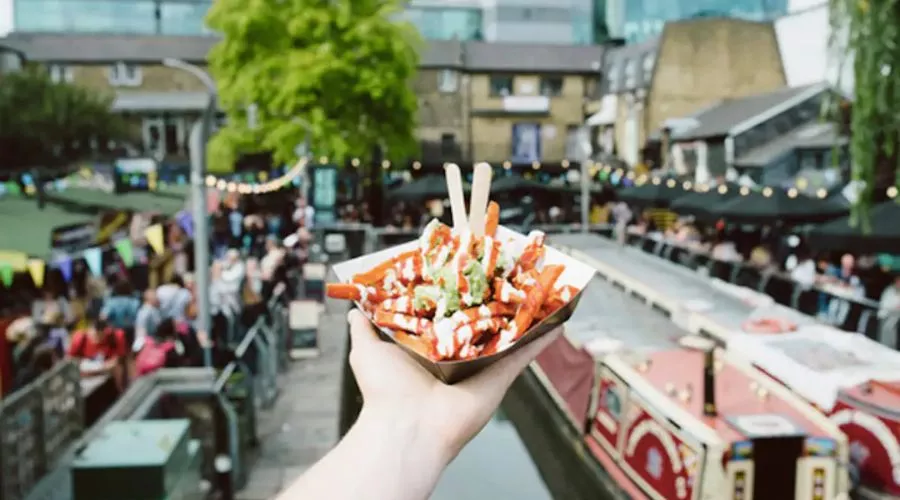
Street food is the most honest form of travel dining. It requires no reservations, no formal dress code, and no long explanations. It happens in real time—on sidewalks, at traffic corners, inside night markets, beneath overpasses, and outside crowded events. Street food is where cultures meet without filters and where global flavors blend into everyday life.
Across many iconic and lesser-known cities, food from nearly every continent sizzles side by side. Migration, trade, and neighborhoods shaped by generations have turned entire urban landscapes into living food atlases. One block may echo with smoky grills inspired by the Caribbean, while the next delivers the fragrance of Middle Eastern spices or East Asian broths.
A global street food adventure is not about chasing trends. It is about following aroma, watching hands at work, standing among local crowds, and tasting how the world truly lives—one bite at a time.
New York City – Where the World Eats on the Sidewalk
Few cities anywhere match New York City for international street food diversity. Entire cultures arrive daily on wheels, carts, and folding tables placed along some of the busiest sidewalks on the planet.
Halal rice platters steam beside classic hot dog carts that have served generations of commuters. Pretzels twist through morning routines, while shaved ice and roasted nuts mark seasonal rhythm. Dumplings bubble inside metal steamers, while tacos sizzle only steps away.
Every borough tells a different culinary story. One neighborhood may lean toward Caribbean grills and jerk smoke, while another leans heavily into South Asian flatbreads or Cantonese roast specialties. Food trucks add another layer by blending global traditions into creative hybrids.
What makes this city exceptional is not innovation alone—it is consistency. Many vendors return to the same corner for decades, feeding the same working crowds day after day.
Los Angeles – A Rolling Global Kitchen
Los Angeles has transformed street food into a mobile international movement. Food trucks roam freely through neighborhoods, gathering near events, beaches, business districts, and nightlife zones like magnets.
Taco trucks dominate the streetscape, offering deeply regional styles built on fresh tortillas, slow-cooked meats, bold salsas, and grilled vegetables. Korean barbecue trucks add smoky sweetness through portable grilling. Thai, Filipino, Mediterranean, and fusion trucks deliver culinary passports on wheels.
Fruit stands slice mangoes, coconuts, and melon to order, dusted in chili and citrus. Late at night, sidewalk grills serve stacked sandwiches and skewer-lined plates to night crowds.
Street food here thrives on motion. Vendors move with demand, shaping a constantly shifting open-air food system.
Chicago – Global Comfort Food for Urban Streets
Chicago street food focuses on warmth, weight, and deep flavor—a reflection of long winters and hardworking daily routines.
Sausage vendors dominate entertainment districts with grilled links topped in peppers, onions, and spice. Italian beef sandwiches soak in savory juices, folded into soft rolls and eaten standing in cold weather. Food trucks deliver global twists, from Asian noodles to Latin flatbreads.
Cultural neighborhoods expand the flavor map even further. Polish pastries, Middle Eastern grill carts, and late-night taco stands all form part of everyday dining patterns.
Street food here is built for satisfaction. Bold seasoning and generous portions rule every paper-wrapped plate.
Houston – One of the Most International Food Streets Anywhere
Houston operates as one of the most globally connected food cities on earth. Its street food reflects communities from nearly every continent, shaped by migration and enterprise.
Vietnamese bakeries extend onto sidewalks with fresh baguettes and coffee. Middle Eastern shawarma spins beside Nigerian grills. South Asian chaat carts line business centers in afternoon hours. Taco trucks fill parking lots by nightfall.
Unlike many cities where food trucks cluster into specific districts, Houston street food spreads endlessly, mirroring how communities settle across the metro landscape. A global food tour here requires no airport.
New Orleans – Street Food as Cultural Celebration
New Orleans treats street food as both nourishment and performance. Cooking bleeds into public space, especially during festivals, second-line parades, and neighborhood gatherings.
Po’boys overflow with fried seafood and slow-roasted meats. Beignets bloom under powdered sugar clouds. Seafood boils erupt on sidewalks in spice and steam. Vendors often cook to live music, turning meals into collective celebrations.
Street food here reflects blended heritage—African, Caribbean, and European traditions shaped through generations of adaptation and resilience. Eating outdoors feels less like convenience and more like belonging.
San Francisco – Street Food with Ocean Influence and Global Roots
San Francisco blends international precision with regional ingredients. Street stalls and food markets emphasize freshness above all else.
Seafood defines much of the street food character—crab rolls, fish tacos, chowder in bread bowls, and grilled coastal catch. Sourdough baking traditions shape many handheld meals. Asian traditions appear strongly through steamed buns, dumplings, and rice-based plates.
Night markets bring together independent vendors who rotate menus based on seasonal harvests. The result feels both international and deeply regional at once.
Miami – Tropical Street Food with Global Heat
Miami street food thrives under sun and palm shade, shaped by Caribbean and Latin traditions that dominate everyday life.
Cuban sandwich windows serve pressed layers of roasted pork, pickles, and bread crisped in hot grills. Fried snacks appear at beach kiosks. Fresh coconut water pours directly from split shells. Tropical fruits drip with juice at roadside stands.
What defines Miami street food is constant motion—daytime beach crowds, evening diners, overnight nightlife. Food never truly shuts down.
Seattle – Global Flavors with Pacific Precision
Seattle street food blends international inspiration with clean, ingredient-first execution. Waterfront stalls often lean into seafood wrapped into portable meals. Asian-inspired noodle carts dominate business cores. Coffee carts supply fuel from early morning onward.
Farmers’ markets operate like temporary street food villages, where producers, bakers, grill masters, and specialty cooks meet crowds directly. The influence of East Asia and Northern Europe shapes large portions of the flavor profile.
Global Street Food Traditions Found Across City Streets
The most powerful element of street food is how faithfully it preserves culinary identity. Across these cities, certain traditions appear again and again in authentic form:
- Latin grilled meats and tortillas prepared over open flame
- Middle Eastern flatbreads and rotating spits layered with sauce and herbs
- East Asian noodle soups and dumplings built on hours of stock preparation
- South Asian spiced snacks and chaat blending crunch, heat, and tang
- Caribbean grills and stews heavy with smoke and citrus brightness
- European pastries and fried specialties shaped for hand-held eating
Each stall becomes a cultural ambassador without needing signage or slogans.
Why Global Street Food Thrives in These Cities
Street food succeeds where density, diversity, and demand meet. These urban centers share several forces that allow global food culture to flourish:
- Large immigrant populations preserving food traditions
- High foot traffic that keeps daily turnover fresh
- Long working hours that require fast meals
- Nightlife cultures that extend dining into early morning
- Open-source creativity driven by small business ownership
Street food grows not because of trend forecasting but because communities depend on it.
How to Find True Global Street Food Without Falling for Gimmicks
Authentic street food does not announce itself loudly. It blends into everyday movement. The strongest signs always include:
- Crowds made primarily of residents
- Limited menus focused on one specialty
- High-speed cooking without shortcuts
- Vendors who repeat the same motion endlessly
- Food that sells faster than it can be made
Taxi drivers, delivery riders, security staff, and warehouse workers often guide visitors toward the most dependable stalls.
Street Food Safety Through Awareness, Not Fear
Street food safety comes from observation rather than avoidance. Food prepared at high heat and eaten immediately remains the safest option. Busy stalls with fast turnover reduce ingredient risk. Clean surfaces, glove use, and running water signal responsible operation.
Beverages should come sealed or freshly prepared from known water sources. Simple attention keeps the adventure enjoyable.
Cultural Power of Global Street Food
Street food moves faster than formal dining spaces when cities change. New communities bring new dishes. Social movements reshape menus. Economic shifts influence portion sizes and prices.
Because of this flexibility, street food becomes a living archive of cultural change. One decade might introduce new spices and techniques. Another might adapt plant-based traditions. Through these shifts, culture continues moving forward without losing memory.
Emotional Memory Built Through Street Food
Travel memories often attach to flavor rather than photography. The smell of grilling meat on a cold evening, the crunch of fried dough eaten beside strangers, the heat of chili caught by surprise—these moments imprint deeply.
Street food creates unfiltered connection. There are no dining rooms to hide behind. Everyone stands equally at the curb. Conversation flows easily in shared waiting lines. The distance between visitor and resident shrinks to the width of a paper plate.
The Digital Future of Global Street Food
Digital payments, mapping apps, and social discovery already shape modern street food culture. Vendors now appear through live location updates, group chats, and local video feeds. Yet the core remains unchanged.
Food still cooks by hand. Fire still drives flavor. Streets still shape demand. Technology may guide people toward stalls, but only food quality keeps crowds returning.
Final Thoughts
Global street food adventures reveal how connected city life truly is. Without crossing borders or booking flights, entire continents unfold through food carts, grills, and sidewalk kitchens. Every bite carries migration stories, family history, survival, and pride.
From dawn breakfasts served through narrow windows to midnight meals eaten under glowing streetlights, street food feeds working life, nightlife, culture, and curiosity all at once.
