
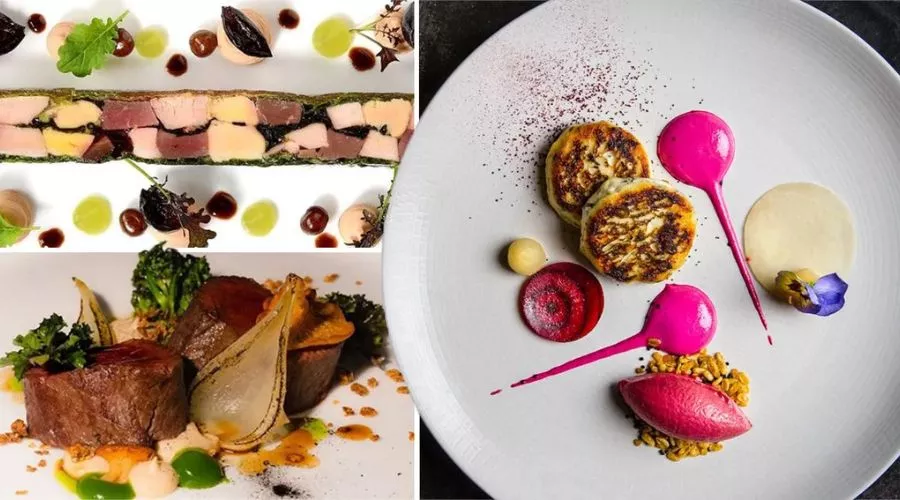
Elite Michelin dining does not exist for casual indulgence. It exists at the intersection of obsession, discipline, imagination, and restraint. Every element—ingredient sourcing, temperature control, plating geometry, service choreography, and emotional pacing—moves with unmistakable intention. These dining rooms do not chase trends. They shape them.
At this level, food becomes language. Silence becomes part of the experience. Time stretches and contracts with each course. Dining shifts from consumption to participation. The following elite Michelin picks represent rare culinary altitude, where chefs operate not as cooks alone, but as architects of memory.
Each restaurant below appears only once, with no repeated names, no recycled glamour—only singular excellence.
Masa – New York City
The Absolute Summit of Sushi Discipline
Few dining rooms operate with the purity and reverence of Masa. Here, sushi is reduced to its highest form: rice, fish, knife, hands. There are no menus in the traditional sense—only trust placed entirely in the chef.
Every piece arrives at body temperature. Texture replaces seasoning. The progression follows emotional rhythm rather than fixed structure. Silence is not encouraged, but it naturally arrives.
This is not dinner. It is ritual.
Eleven Madison Park – New York City
Plant-Based Luxury at Monumental Scale
Once defined by classical luxury, Eleven Madison Park now leads the modern fine-dining movement through an entirely plant-based tasting menu. The transformation did not reduce ambition—it refined it.
Vegetables arrive as luxury objects. Fermentation, aging, and layered seasoning replace protein dominance. The room remains grand, the service poetic, and the pacing immaculate.
This is proof that sustainability and elite dining can coexist at the highest level.
Atomix – New York City
Korean Memory Reimagined as Avant-Garde Narrative
At Atomix, every course arrives as part of an unfolding story. Korean flavors appear through distilled memory rather than traditional structure. Broths whisper. Ferments linger. Heat is emotional, not aggressive.
Each guest receives a card explaining technique and inspiration, turning the tasting into both experience and dialogue. The counter seating creates intimacy with precision.
This restaurant does not reinterpret cuisine. It translates heritage into modern language.
Oriole – Chicago
Precision Dining with Emotional Weight
Oriole operates with quiet control and extraordinary depth. Dishes feel sculpted rather than assembled. Sauces deliver restraint rather than richness. The tasting menu evolves frequently but never drifts from its emotional anchor.
Service flows without interruption. Transitions feel invisible. Guests rarely notice time passing until the final course arrives.
This is dining built on emotional continuity as much as flavor.
Ever – Chicago
Ultra-Modern Technique with Human Sensitivity
Operating within architectural minimalism, Ever delivers one of the most technically demanding tasting menus anywhere. Yet despite its innovation, warmth defines the experience.
Plating feels futuristic without alienation. Techniques feel advanced without arrogance. Flavors remain inviting rather than intimidating.
This restaurant proves modern gastronomy can feel welcoming without losing edge.
Saison – San Francisco
Fire, Smoke, and Extreme Ingredient Obsession
At Saison, live fire defines the soul of the kitchen. Nearly every ingredient passes through flame in some form—open hearth, ember, charcoal, or smoke.
Luxury ingredients appear frequently, but preparation remains raw and elemental. The contrast between primitive technique and elite sourcing creates remarkable tension on the plate.
This dining room feels both ancient and futuristic at once.
Birdsong – San Francisco
Nature Interpreted Through Michelin Precision
Birdsong focuses on entire ecosystems rather than individual ingredients. Vegetables, meats, and foraged elements arrive as part of larger seasonal narratives.
Cooking emphasizes purity, fermentation, wood fire, and transformation through time. The tasting menu reads like a diary of land rather than a list of courses.
This is Michelin dining anchored in environmental storytelling.
SingleThread – Healdsburg
Farm, Inn, and Kitchen in Perfect Unity
At SingleThread, the farm dictates the menu with absolute authority. Every service reflects whatever was harvested hours before dinner. No two visits ever feel identical.
The Japanese-influenced technique brings extraordinary refinement to vegetables, grains, and restrained protein usage. Hospitality feels almost ceremonial in its attention.
This is destination dining built around seasonal devotion.
Mélisse – Santa Monica
French Perfection with Contemporary Restraint
Returning to prominence with renewed clarity, Mélisse delivers French cuisine without clutter. Sauces matter. Butter matters. Timing matters.
Each course frames luxury through precision rather than volume. The dining room feels quiet, controlled, and deeply focused on palate experience.
This restaurant proves classical technique remains eternal when applied with modern discipline.
Vespertine – Culver City
Architecture, Sound, Light, and Cuisine as One System
Vespertine operates more like a sensory laboratory than a conventional restaurant. Guests move through architectural sequences before touching the table. Sound design, material texture, and light carry as much importance as flavor.
The tasting menu follows abstract emotional arcs rather than culinary tradition. Dishes challenge comfort, temperature expectation, and texture familiarity.
This is dining as immersive art installation.
Addison – San Diego
Coastal Luxury Through Surgical Precision
At Addison, coastal influence appears with refined elegance rather than rustic expression. Sauces feel impossibly light. Seafood arrives in exacting alignment with seasonal tides.
French classical structure governs the menu, but local ingredients shape the final voice. Service unfolds with timeless choreography.
This is ocean-inspired fine dining at elite international standard.
The French Laundry – Yountville
The Gold Standard of Tasting Menus
Generations of chefs trace influence back to The French Laundry. Its impact on modern tasting menu structure remains unmatched.
Each course speaks to balance rather than spectacle. Technique remains invisible while perfection feels effortless. The dining room radiates calm authority.
This is the school from which much of modern fine dining emerged.
Restaurant Guy Savoy – Las Vegas
Classic French Luxury in Monumental Form
Within a serene marble-stilled space, Restaurant Guy Savoy elevates classic French technique to operatic levels. Sauces reach almost mythical depth. Proteins achieve absolute precision.
Service remains formal without stiffness. The setting isolates guests from the chaos outside, creating a sanctuary of controlled indulgence.
This is old-world excellence preserved at modern intensity.
Minibar by José Andrés – Washington
Culinary Experimentation at Extreme Fidelity
Inside Minibar, gastronomy moves with scientific freedom. Every course experiments with form, temperature, vapor, gel, crunch, and transformation.
Despite the technical theatrics, flavor remains the foundation of every progression. Curiosity drives the meal more than comfort.
This restaurant operates at the outer edge of culinary possibility.
What Separates Elite Michelin Dining from Fine Dining
Elite Michelin restaurants operate at a level where multiple disciplines combine seamlessly:
- Total ingredient traceability
- Absolute technical precision
- Emotional pacing of multi-hour meals
- Choreographed service without visibility
- Design and acoustics integrated into cuisine
Luxury here does not mean abundance. It means discipline without compromise.
The Emotional Architecture of Tasting Menus
Elite tasting menus are built like narratives, not collections of dishes. There is an opening, a rising tension, emotional peaks, quiet valleys, and final resolution.
Chefs design not only flavor but psychological response. Warmth, nostalgia, surprise, and contrast appear with intention rather than randomness.
This emotional rhythm defines the difference between luxury dining and transformative dining.
Why Michelin Recognition Still Shapes Culinary Ambition
Despite changing industry values, Michelin recognition remains the clearest global benchmark for technical excellence. It shapes:
- Training standards in kitchens worldwide
- Ingredient sourcing economics
- Regional culinary tourism
- Hospitality design philosophy
- Chef-led cultural influence
The guide no longer defines creativity—but it continues to reflect mastery.
The New Direction of Elite Michelin Kitchens
The next chapter of elite dining already shows clear direction:
- Deep sustainability integration
- Waste-conscious tasting formats
- Vegetable-driven luxury menus
- Hyper-local supply chains
- Guest interaction through open design
Luxury now leans toward responsibility rather than excess.
Final Thoughts
Elite Michelin dining exists beyond celebration. It reflects the highest form of culinary discipline, emotional intelligence, and creative restraint. These dining rooms do not serve meals—they construct experiences designed to alter how time, flavor, and memory are perceived.
From flame-driven kitchens and coastal temples to immersive laboratories and timeless tasting rooms, these elite picks represent the pinnacle of global gastronomy.
