
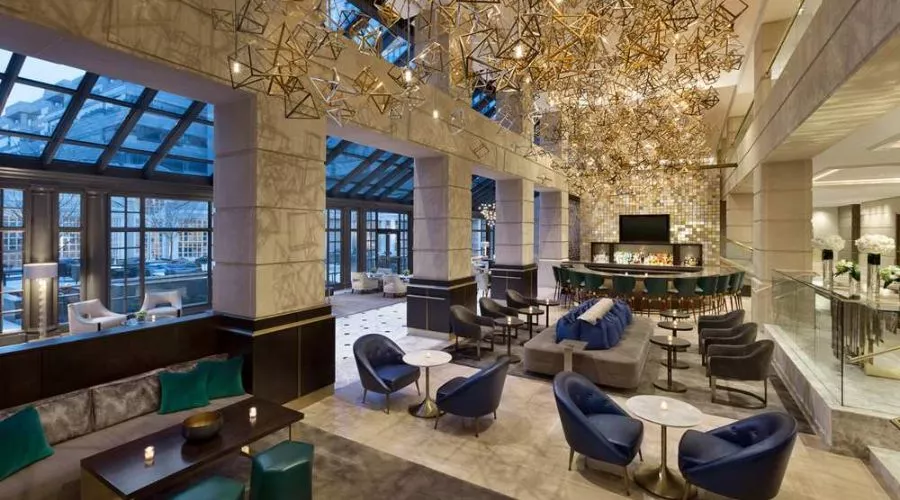
Travel is no longer simply about visiting new places; it has evolved into an immersive experience where the spaces we inhabit become as memorable as the destinations themselves. Among the most striking examples of this evolution are architect-designed hotels. These properties stand as statements of innovation, creativity, and cultural resonance, blending functionality with visionary design. Guests are not only accommodated—they are invited to experience architecture as an integral part of their journey.
Architect-designed hotels push the boundaries of conventional hospitality. Each property tells a story, conveying the designer’s vision, the spirit of the locale, and the essence of modern luxury. From minimalist urban towers to organic resorts that harmonize with nature, these hotels provide travelers with an unforgettable interplay of form, function, and aesthetic expression.
What Makes Architect-Designed Hotels Unique?
Several key characteristics set architect-designed hotels apart from traditional properties:
- Visionary Design: Each property reflects the creativity and philosophy of a renowned architect, resulting in spaces that are visually striking and conceptually innovative.
- Integration with Environment: Thoughtful design connects the hotel with its surroundings, whether through panoramic views, organic forms, or landscape integration.
- Artistic Attention to Detail: From bespoke furniture to sculptural elements and curated artworks, every detail is intentionally crafted to complement the overall design.
- Personalized Guest Experience: Architect-designed hotels often focus on quality over quantity, ensuring that every guest enjoys an immersive and memorable experience.
- Cultural Relevance: Designs often reflect local heritage, materials, and craft, allowing guests to connect with the region in a deeply authentic way.
These factors elevate stays beyond functional accommodation into experiential journeys where architecture becomes a narrative.
Types of Architect-Designed Hotels
Urban Masterpieces
City-based architect-designed hotels often serve as landmarks, merging modernity with metropolitan context.
- Features: Sleek high-rise structures, geometric façades, open-plan interiors, and rooftop terraces.
- Experience: Guests can enjoy panoramic city views, access to cultural hubs, and curated urban experiences.
- Ideal For: Travelers seeking contemporary design, city exploration, and cultural immersion.
Coastal and Waterfront Innovations
Hotels along coastlines often embrace organic forms and materials, blending seamlessly with natural surroundings.
- Features: Floor-to-ceiling windows, infinity pools, terraces with ocean vistas, and minimalist interiors that emphasize light and air.
- Experience: Guests experience the rhythm of the sea, sunsets, and the gentle interplay of natural light within sculptural spaces.
- Ideal For: Couples, design enthusiasts, and travelers seeking serenity paired with aesthetic brilliance.
Mountain and Forest Retreats
Properties in alpine or woodland settings often integrate natural elements to harmonize with their environment.
- Features: Wood and stone exteriors, glass walls framing panoramic landscapes, private decks, and terraced designs.
- Experience: Guests enjoy immersive nature experiences while appreciating architectural ingenuity that enhances views and connectivity.
- Ideal For: Adventure seekers, wellness travelers, and nature lovers with a taste for refined design.
Desert and Remote Escapes
Hotels in arid or secluded landscapes often highlight sustainability and minimalism, embracing natural light and expansive vistas.
- Features: Earth-toned materials, geometric forms, solar energy integration, and thoughtful climate control.
- Experience: Guests experience a sense of calm and isolation, with architecture amplifying the stark beauty of the desert.
- Ideal For: Travelers seeking reflection, privacy, and a bold architectural statement.
Design Principles in Architect-Designed Hotels
Architect-designed hotels prioritize creativity, function, and sensory engagement. Several design principles define their uniqueness:
Spatial Fluidity
Open-plan layouts, interwoven public and private areas, and carefully curated flow create a seamless guest experience. Spaces are designed to feel both expansive and intimate, with attention to circulation, perspective, and sightlines.
Material Innovation
Use of unconventional materials, innovative construction techniques, and artisanal craftsmanship ensures visual interest and tactile delight. Metals, glass, reclaimed wood, concrete, and sustainable composites often coexist in harmony.
Light as a Design Element
Natural and artificial lighting are carefully manipulated to shape ambiance. Sunlight, shadows, and reflections interact with materials to create dynamic spaces that change throughout the day.
Integration of Nature
Courtyards, terraces, gardens, water features, and green walls connect guests with the environment. Architect-designed hotels often blur the line between interior and exterior spaces, fostering a sense of openness and harmony.
Sculptural and Artistic Touches
Every fixture, furniture piece, and decorative element often doubles as art. Curated collections of contemporary art, custom-made furnishings, and architectural sculpture elevate the hotel from mere lodging to an immersive gallery experience.
Culinary Experiences in Architect-Designed Hotels
Food is integral to the experience, complementing architectural beauty with sensory indulgence:
- Signature Restaurants: Spaces designed to enhance the dining experience, with attention to sightlines, acoustics, and aesthetics.
- Locally Sourced Menus: Chefs often focus on regional ingredients, creating dishes that reflect the surrounding culture and landscape.
- Interactive Experiences: Culinary workshops, tasting events, and chef’s tables allow guests to engage with food as a design element itself.
- In-Room Dining: Thoughtful presentation and ambient design elevate private meals into memorable occasions.
Dining becomes an extension of the architectural narrative, merging taste with design-driven storytelling.
Wellness and Recreational Amenities
Architect-designed hotels integrate wellness seamlessly into their environments:
- Spa and Fitness Facilities: Spaces are designed for relaxation and rejuvenation, often featuring open layouts, natural materials, and panoramic views.
- Pools and Water Features: Infinity pools, reflective ponds, and sculptural water elements create sensory harmony.
- Mindfulness and Meditation Spaces: Areas for yoga, meditation, or quiet reflection are intentionally designed to enhance mental and physical well-being.
- Adventure Integration: Trails, climbing walls, or water-based activities are harmonized with the architectural environment, emphasizing connection with surroundings.
Wellness is treated as a holistic extension of the design philosophy, ensuring every aspect contributes to the guest’s experience.
Cultural and Local Integration
Architect-designed hotels often incorporate cultural and regional elements, providing context and authenticity:
- Use of Local Materials: Stone, wood, clay, and textiles sourced locally reflect regional identity.
- Artisan Collaborations: Local craftspeople contribute furniture, décor, or textiles, supporting cultural preservation.
- Narrative Architecture: Buildings often reflect historical, geological, or cultural narratives, allowing guests to experience the region through design.
- Cultural Programming: Workshops, guided tours, and curated experiences complement the architectural storytelling.
Guests leave not only with memories of luxurious comfort but also with a deeper connection to the place they visited.
Sustainability in Architect-Designed Hotels
Many architect-designed hotels integrate environmentally conscious strategies:
- Energy Efficiency: Solar panels, energy-efficient HVAC, and smart lighting reduce environmental impact.
- Water Conservation: Rainwater harvesting, greywater systems, and low-flow fixtures conserve resources.
- Sustainable Materials: Use of reclaimed or renewable materials ensures eco-friendly construction.
- Minimalist Footprint: Designs often reduce unnecessary spatial excess while maximizing comfort and aesthetic impact.
Sustainability is harmonized with beauty, creating responsible luxury that respects both environment and design integrity.
Tips for Choosing Architect-Designed Hotels
Selecting the right property can enhance the entire travel experience:
- Research Architectural Style: Identify whether minimalist, contemporary, organic, or culturally inspired design aligns with personal taste.
- Consider Location: Views, landscape integration, and surrounding environment significantly impact the architectural experience.
- Evaluate Amenities: Pools, spas, fitness areas, and dining options should complement the design philosophy.
- Check Guest Feedback: Insights on service, ambiance, and uniqueness help ensure expectations are met.
- Seek Signature Experiences: Look for hotels offering guided design tours, curated art collections, or interactive architecture programs.
Thoughtful selection ensures the property is not just a place to stay but a transformative travel experience.
Experiencing an Architect-Designed Hotel
Staying at an architect-designed hotel is more than a lodging choice—it is an immersive journey:
- Visual Engagement: Guests interact with forms, textures, and spaces that evolve as they move through the property.
- Sensory Experience: Sound, light, and materiality create atmospheres that enhance relaxation and enjoyment.
- Narrative Connection: Architecture tells a story, providing a sense of place and cultural context.
- Photographic Opportunity: Unique angles, geometric interplay, and thoughtful vistas allow guests to document and share visually compelling memories.
Each stay becomes a curated experience where guests are participants in a living work of art.
Final Thoughts
Architect-designed hotels represent the pinnacle of creative hospitality. They transform travel into a multi-sensory, immersive experience where design, comfort, and culture intersect. From urban landmarks and beachfront sanctuaries to mountain lodges and desert escapes, these properties challenge conventional notions of lodging and invite guests to explore the art of living through space.
Every detail, from material selection and lighting to furniture, artwork, and spatial flow, is intentionally crafted. Personalized service, wellness offerings, and cultural integration further elevate the experience, creating stays that are memorable, transformative, and deeply engaging.
