
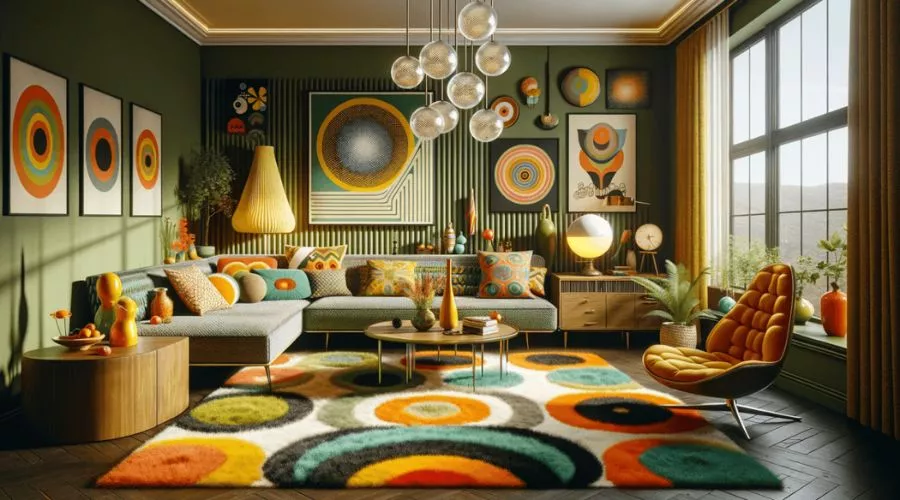
Retro home décor is not simply about decorating with old objects. It is about storytelling through texture, color, shape, and memory. Every sun-faded lamp shade, sculptural side table, starburst mirror, rotary phone, or vinyl record console carries the visual language of a vanished decade. These pieces do not follow trends—they carry identity.
In modern interiors dominated by clean lines, automation, and digital minimalism, retro décor reintroduces warmth, character, and human imperfection. Each piece bears subtle signs of touch, use, and craft that mass production often erases. From mid-century elegance to playful seventies kitsch and bold eighties geometry, retro design continues to shape how living spaces feel alive rather than staged.
Retro décor is not about recreating the past perfectly. It is about translating history into personal living environments.
What Defines True Retro Home Décor?
Not every old object qualifies as retro. True retro décor blends era authenticity with intentional design value. A genuine retro find often displays several defining elements:
- Design language tied clearly to a specific decade
- Materials that reflect the technology of the era
- Color palettes linked to cultural movements
- Visible craftsmanship rather than factory uniformity
- Aging that adds depth rather than damage
Retro celebrates time rather than hiding it. Minor wear becomes part of the visual appeal rather than something to erase.
The Retro Eras That Still Shape Interiors
Each design decade created an identity that still influences modern interiors. Understanding these eras helps collectors identify authentic retro style rather than decorative imitation.
1940s–Early 1950s: Post-War Practical Elegance
Furniture from this period emphasizes durability and modest ornament. Solid wood dining tables, streamlined sideboards, and softly curved armchairs dominate the look. Colors remain restrained—muted greens, warm browns, ivory, and charcoal.
Mid-Century 1950s–1960s: Organic Modernism
This era delivered some of the most iconic furniture silhouettes ever created. Tapered legs, molded plywood chairs, slender coffee tables, sculptural lamps, and floating shelving systems define mid-century modern style. Teak, walnut, brass, and leather ruled interior spaces.
1970s: Earth Tones and Free Expression
The seventies brought texture and warmth into homes. Shag rugs, macramé wall art, low-profile modular seating, smoked glass tables, and bold ceramic lamps filled living rooms. Burnt orange, avocado green, mustard, and chocolate brown shaped the palette.
1980s: Geometry and Statement Design
The eighties embraced boldness. Mirrored surfaces, angular furniture, lacquer finishes, neon accents, chrome-legged tables, and graphic textiles created interiors that felt theatrical rather than subtle.
1990s: Early Minimalism with Personality
The nineties simplified structure but retained warmth. Blonde woods, rounded sofas, glass coffee tables, modular media units, and soft neutral upholstery shaped interior identity.
Each decade remains a reference point for collectors building layered retro spaces today.
Retro Furniture: The Foundation of Time-Driven Design
Furniture forms the backbone of retro interiors. A single authentic piece can anchor an entire room’s aesthetic.
Mid-century credenzas with sliding doors still define dining spaces with elegant restraint. Low-profile teak coffee tables offer balance in modern living rooms. Wingback reading chairs from earlier decades add stately comfort. Modular sectional sofas from the seventies introduce relaxed movement and visual play.
What distinguishes authentic retro furniture is construction integrity. Solid wood framing, joinery rather than glue assemblies, replaceable cushions, and balanced proportions reveal long-term craft.
A well-preserved retro furnishing piece does not age. It matures.
Lighting: Where Retro Spirit Truly Glows
Lighting remains one of the purest expressions of retro interior character. Table lamps, floor lamps, sconces, and hanging fixtures each reflect the design philosophy of their eras.
- Mushroom-shaped glass lamps create soft seventies ambiance
- Brass arc lamps define mid-century drama
- Sputnik chandeliers echo atomic age optimism
- Smoked globe pendants carry disco-era mystery
- Ceramic sculptural lamps merge art and function
Illumination in retro interiors rarely aims only at brightness. It shapes atmosphere, shadow, and emotional warmth.
Retro Wall Décor: Stories Hung in Plain Sight
Wall décor often delivers the most obvious retro storytelling. Starburst mirrors radiate mid-century flair. Handwoven fiber art pieces inject seventies soul. Graphic pop posters revive eighties energy. Framed travel prints preserve early jet-age romance.
Analog clocks, ceramic wall plates, sculptural shelving units, enamel signage, and woven tapestries expand vertical identity. These objects blur the line between decoration and time capsule.
Walls become curated memory galleries rather than flat surfaces.
Kitchens and Dining Spaces: Retro Life in Daily Ritual
Few interior spaces benefit from retro detail as intensely as kitchens and dining zones. Vintage enamel cookware, chrome-legged dinettes, patterned ceramic tiles, pastel appliances, and wood-framed glass cabinets merge function with charm.
Open shelving showcases ceramic canisters, hand-painted cookware, glass milk bottles, and tin bread boxes. Round dining tables encourage conversation. Upholstered vinyl chairs return playful color without sacrificing practicality.
Retro kitchen elements transform daily routines into character-driven rituals.
Textiles: Fabric as Emotional Memory
Soft furnishings define how retro interiors feel rather than merely look. Upholstered armchairs, patterned curtains, throw pillows, and rugs introduce tactile history.
Velvet, corduroy, tweed, shag, handwoven wool, and jacquard fabrics convey different sensory eras. Abstract geometrics echo eighties confidence. Floral repeats whisper seventies warmth. Minimal stripes speak mid-century calm.
Textiles soften hard surfaces and anchor emotional comfort.
Decorative Accents That Complete Retro Identity
Small objects often carry outsized visual impact. Several categories stand out as retro décor essentials:
- Ceramic vases with organic silhouettes
- Analog radios and transistor players
- Vinyl record consoles
- Rotary telephones
- Barware with etched glass and brass accents
- Mechanical desk clocks
- Handcrafted ashtrays turned into trinket holders
These objects create visual pauses—moments where attention lingers and memory activates.
Why Retro Décor Feels More Personal Than Contemporary Design
Modern interiors often pursue perfection through uniformity. Retro interiors pursue personality through diversity. No two authentic retro spaces look identical because discovery shapes each collection differently.
Retro décor allows gradual layering. Pieces arrive over time. Stories accumulate. Rooms grow into lived-in expressions rather than showroom displays.
Personal spaces become archives of taste rather than catalog replications.
Sustainability Through Reimagined Interiors
Retro décor plays a powerful role in environmentally responsible living. Each rescued lamp, refurbished credenza, and restored armchair prevents new resource extraction. It reduces landfill volume. It extends material life cycles without demanding fresh industrial energy.
Sustainability here arises naturally rather than through marketing language. Beauty and responsibility quietly align.
Restoration: Preserving Character Without Erasing Time
Proper retro restoration respects age rather than disguising it. Wood surfaces receive gentle refinishing rather than over-sanding. Original hardware remains whenever possible. Period-correct fabrics replace damaged upholstery. Electrical wiring updates preserve safety while retaining external appearance.
The goal remains simple: stabilize function while protecting history.
Over-restoration often destroys value. Preservation protects it.
How to Identify Authentic Retro Pieces
For early enthusiasts, authenticity can feel difficult to judge. Several details offer reliable clues:
- Construction method and joinery style
- Weight and material density
- Original manufacturer labels or stamps
- Design proportions tied to era trends
- Natural aging patterns
Replica items often imitate surface detail but reveal modern shortcuts beneath.
Mixing Retro with Contemporary Interiors
Retro décor works best when integrated rather than isolated. A single sculptural floor lamp can elevate a minimalist room. One restored sideboard can anchor a neutral dining area. One patterned rug can add warmth to crisp architecture.
Successful integration avoids theme styling. Balance emerges through contrast rather than imitation.
Retro should enhance modern spaces, not overpower them.
Why Collectors Resist Over-Curation
Many retro space builders resist rigid styling rules. Discovery remains central to the appeal. The thrill arrives when an unexpected find enters a space and reshapes its narrative.
Rigid coordination flattens individuality. Organic layering preserves authenticity. A well-assembled retro interior feels intuitive rather than calculated.
The Emotional Psychology of Retro Living Spaces
Retro décor triggers familiarity even when the space feels new. Colors recall memory. Objects echo childhood environments. Shapes awaken sensory recognition.
This emotional resonance creates comfort without nostalgia becoming static. Past and present interact rather than compete.
A retro interior does not trap time. It allows time to move visibly through living space.
The Future of Retro Home Décor
Retro décor continues to evolve beyond strict period loyalty. Hybrid interiors now combine mid-century furniture with contemporary lighting. Seventies textiles reappear in neutral rooms. Eighties geometry meets minimalist architecture.
Digital discovery platforms accelerate availability while restoration studios improve preservation quality. As mass production becomes increasingly uniform, demand for distinctive retro interiors grows rather than fades.
The future belongs to spaces that tell stories rather than display sameness.
Final Reflections
Retro home décor finds transform living environments into layered timepieces. Every lamp, chair, rug, and framed print becomes evidence that design carries memory, not merely function. These objects remind every resident that beauty once moved at a slower pace and craftsmanship carried deeper intention.
Retro interiors resist disposability. They celebrate survival. They honor touch. They welcome imperfection.
True retro style never imitates history. It allows history to continue breathing inside everyday life.
