
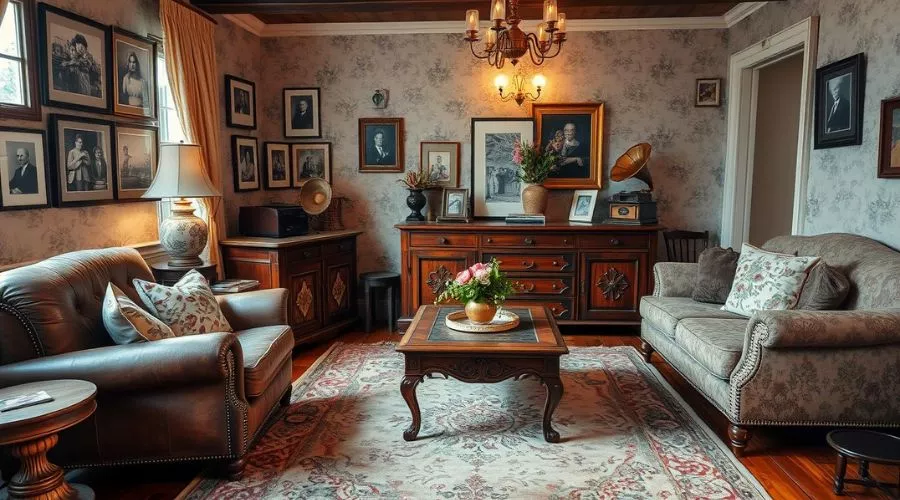
Vintage is not a trend. It is a living archive of culture, craftsmanship, rebellion, elegance, and identity. Every weathered leather jacket, hand-beaded evening gown, oxidized brass mirror, or typewritten letter from another decade carries stories that modern production can never fully recreate. Unique vintage finds are not simply old objects—they are fragments of personal history wrapped in fabric, wood, metal, ink, and glass.
Across sprawling cities, creative neighborhoods, warehouse districts, and quiet side streets, vintage culture continues to thrive. Hidden behind anonymous shopfronts and unmarked doors exist treasure troves of fashion, furniture, art, ephemera, and collectibles waiting for rediscovery. The thrill lies in the unknown—no two hunts are ever the same, and no two finds carry identical pasts.
Unique vintage discovery is not about shopping. It is about time travel through material form.
What Makes a Vintage Find Truly Unique?
Not every aging object earns the title of “unique.” True distinction comes from a balance of rarity, origin, condition, and cultural relevance. The most treasured vintage pieces often reveal several defining traits:
- Limited production runs or discontinued manufacturing
- Handcrafted construction rather than machine repetition
- Design techniques no longer widely practiced
- Materials that modern sourcing rarely offers
- Cultural or artistic significance tied to a specific era
- Natural patina formed over decades, not artificially aged
A truly unique vintage piece holds personality. It resists duplication because the world that produced it no longer exists.
The Eras That Shape Vintage Identity
Each decade leaves behind a visual fingerprint. Style never appears in isolation—it mirrors music, politics, economic shifts, and social movements. Understanding vintage means recognizing its historical language.
1920s–1930s: Silk flapper dresses, beaded clutches, Art Deco jewelry, tailored wool coats
1940s: Utility suits, military surplus, ration-era silhouettes, structured footwear
1950s: Hourglass tailoring, full skirts, polished leather handbags, cat-eye frames
1960s: Psychedelic prints, mod tailoring, vinyl boots, graphic scarves
1970s: Suede fringe, platform shoes, flared denim, embroidered peasant blouses
1980s: Power shoulders, neon synthetics, metallic fabrics, oversized outerwear
1990s: Minimalist slip dresses, distressed denim, flannel layers, band merchandise
Each decade delivers more than fashion—it preserves emotion, rebellion, aspiration, and restraint.
New York City: Underground Archives and Couture Ghosts
New York remains one of the richest landscapes for rare vintage discovery. Entire fashion histories lie hidden beneath luxury storefronts and creative studios. In lower Manhattan, vintage specialists curate archival runway pieces from closed fashion houses, early couture collections, and experimental designers lost to time.
Brooklyn warehouse spaces overflow with industrial denim, railway uniforms, military garments, and costume archives once used for theatre and cinema. Some racks display pieces never worn—silent survivors sealed in storage for half a century.
What elevates discovery here is scholarly curation. Many pieces remain cataloged by year, collection, designer, and fabric origin, transforming fashion into recorded history.
Los Angeles: Cinema, Music, and Costume Legacy
Los Angeles vintage culture reflects visual storytelling. Film production wardrobes, concert apparel, touring jackets, and underground streetwear shape countless collections across creative districts.
Sun-faded western shirts, post-war biker leathers, disco-era sequins, and early hip-hop silhouettes coexist in quiet harmony. Some pieces arrive directly from private studio archives and celebrity estates, carrying invisible performance history.
Here, vintage does not whisper. It performs.
Chicago: Industrial Craft and Working-Class Precision
Chicago’s vintage world reflects durability over decoration. Heavy workwear dominates: factory coveralls, reinforced denim, railway jackets, wool topcoats, and riveted boots built for labor rather than luxury.
Stitch densities remain tight. Canvas fibers show structural integrity decades later. Hardware still holds strength rather than corrosion. Every garment feels engineered.
For collectors who value construction as much as appearance, Chicago delivers unmatched substance.
San Francisco: Counterculture Frozen in Fabric
San Francisco’s vintage culture remains anchored in artistic rebellion. Pieces connected to protest movements, early tech culture, underground music scenes, and experimental designers dominate local collections.
Tie-dye textiles, handcrafted leather vests, radical print tailoring, graphic political slogans, and early gender-neutral silhouettes fill racks with ideological meaning.
Vintage here often represents belief as much as beauty.
Austin: Soundtrack of a Vintage Identity
Austin’s vintage personality pulses through music history. Tour jackets, rhinestone stage suits, outlaw boots, leather belts tooled by hand, and rare vinyl merch define discovery spaces.
Browsing often unfolds through layered chaos rather than pristine curation. Denim bins meet costume jewelry barrels. Fringe jackets share space with military canvas. Every find feels lived-in, loud, and unapologetically expressive.
Estate Discoveries: The Most Honest Form of Vintage
Some of the most powerful vintage finds never originate in retail spaces. Estate collections uncover personal wardrobes sealed away for decades. These pieces remain untouched by resale cycles or trend rebranding.
Handwritten name tags stitched into lining, ticket stubs in pockets, custom alterations, and perfume traces reveal intimate history. Estate garments often arrive in extraordinary condition because preservation mattered long before resale value ever did.
Every estate piece carries narrative weight no factory reproduction can imitate.
Accessories: Small Objects with Giant Stories
Unique vintage magic frequently hides within the smallest categories. Accessories often outlive clothing and preserve astonishing craftsmanship:
- Bakelite bangles with marbled coloration
- Early costume jewelry with hand-set crystal stones
- Mechanical wristwatches with original movements
- Hand-rolled silk scarves with painterly prints
- Leather handbags framed with carved wood
- Steel eyewear with riveted bridge hinges
Accessories offer condensed history. Every scratch, polish mark, and worn edge multiplies meaning.
Restoration Without Erasure
Responsible restoration rescues structure without deleting age. Skilled conservators stabilize fibers, reinforce seams, correct lining damage, and revive weakened hardware using period-correct techniques.
High-level restoration never aims to make garments look new. The goal remains preservation, not disguise. Proper conservation often increases longevity while preserving original soul.
True vintage beauty accepts aging as an asset rather than a flaw.
Why Designers Relentlessly Study Vintage
Nearly every influential designer builds collections upon unseen vintage foundations. Pattern blocks from mid-century tailoring still guide jacket construction. Textile manipulation from past eras continues to inspire surface treatments.
Private fashion libraries maintained by design houses store archived garments for research rather than resale. These pieces dictate proportion, cut balance, and material behavior across modern collections.
Vintage silently leads contemporary fashion forward.
Psychological Power of Wearing History
Wearing vintage changes how identity feels. The wearer carries decades of invisible story into present movement. That emotional weight changes posture, confidence, and expression.
Unlike seasonal retail, vintage removes pressure to follow trends. Personal identity becomes layered, personalized, and intentional. Style evolves through memory rather than algorithm.
Vintage restores authorship to appearance.
Sustainability Through Preservation
One of the most powerful environmental actions in fashion involves preservation. Vintage extends the life of fabric already created. No new water usage. No additional chemical dye cycles. No fresh industrial waste.
Every vintage purchase slows production demand while honoring existing craft. Sustainability becomes woven into style rather than advertised beside it.
Luxury and environmental responsibility quietly intersect through vintage.
How to Identify Authentic Vintage
For early collectors, authentication feels intimidating. Several physical clues reveal genuine age:
- Union or manufacturing labels tied to specific decades
- Metal zipper designs rather than modern nylon tracks
- Fabric fiber content of era-specific blends
- Stitch density reflecting historical machine limits
- Oxidation patterns on hardware
Replicas often capture appearance but fail structural honesty.
What Determines Vintage Value
Pricing operates through layered logic rather than single factors:
- Rarity and surviving quantity
- Designer reputation or artisanal origin
- Historical relevance
- Condition relative to age
- Cultural association
- Original craftsmanship integrity
A perfectly preserved factory jacket from a closed operation can exceed modern luxury pricing simply because replacement will never exist.
Digital Discovery and Global Exchange
Digital platforms now connect collectors across continents. Private auctions, archive sales, and resale communities transfer rare pieces between personal collections within minutes.
Yet physical discovery still dominates emotional reward. No digital scroll matches the thrill of uncovering a once-forgotten garment hanging unnoticed on a crowded rack.
The hunt remains part of the value.
Beyond Fashion: Expanding the Vintage Universe
Unique vintage discovery continues to expand beyond clothing into adjacent worlds:
- Mid-century furniture
- Industrial lighting
- Mechanical cameras
- Analog sound equipment
- Architectural signage
- Studio ceramics
Hybrid spaces now merge coffee culture, design exhibitions, tailoring ateliers, and archive showrooms into lifestyle environments rather than standalone shops.
Vintage integrates into daily experience rather than existing as niche obsession.
The Future of Unique Vintage Finds
Future vintage culture leans toward deeper curation rather than mass accumulation. Digital archiving, sustainable resale ethics, and museum-level conservation techniques continue to redefine how vintage circulates.
Collectors shift from volume to intention. Personal archives grow smaller but more refined. Emotional connection begins to outweigh brand recognition.
Vintage becomes less about labels and more about legacy.
Final Reflections
Unique vintage finds connect time through texture. They preserve forgotten skill, vanished workshops, extinct factories, and personal lives no biography will ever record. Each piece becomes a wearable artifact—silent yet expressive.
In an era of accelerated production and instant disposal, vintage offers resistance through endurance. It refuses erasure. It refuses repetition.
