
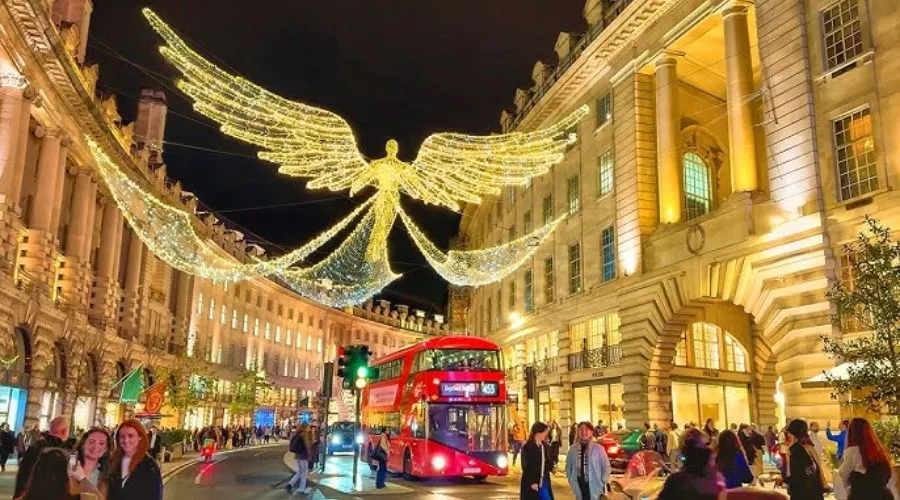
Luxury fashion streets are not simply retail corridors. They function as cultural symbols, economic powerhouses, and living galleries of design. These streets represent the highest expression of fashion commerce, where heritage houses unveil architectural flagships, where couture collections appear before magazine covers, and where personal style moves with cinematic confidence.
Every detail matters on these streets—marble flooring beneath glass facades, precision lighting on window displays, perfectly choreographed store layouts, and an unspoken code of elegance carried by those who walk them. That atmosphere cannot be exported. It must be experienced on foot, at street level, at the pace of discovery.
Luxury shopping streets are where style becomes geography. And each of these iconic fashion avenues carries its own visual language, cultural rhythm, and expression of elite taste.
Fifth Avenue – New York City
The World’s Most Recognized Luxury Corridor
Few streets hold symbolic authority like Fifth Avenue. Stretching through the city’s most powerful commercial and cultural zone, this grand boulevard defines what global luxury retail looks like at its peak.
Here, flagship stores operate on monumental scale. Multi-level boutiques house private salons, museum-like displays, and invitation-only floors. Window presentations resemble art installations rather than merchandising.
Shoppers move through marble halls guarded by uniformed attendants. Jewelry houses glow beneath layered security glass. Haute couture, fine watches, precision tailoring, and rare leather craftsmanship all coexist within this sweeping urban runway.
Fifth Avenue does not simply sell fashion—it sets the global expectation for luxury retail itself.
Madison Avenue – New York City
Quiet Authority and Discreet Elegance
While Fifth Avenue commands attention, Madison Avenue thrives on restraint. This street defines refined understatement. The luxury here is not loud—it whispers assurance.
Private appointments replace spontaneous browsing. Tailoring rooms outnumber window mannequins. Longstanding fashion houses craft garments for loyal clientele who value legacy over spectacle.
Madison Avenue attracts collectors, diplomats, executives, and patrons who seek perfection without performance. The street proves that true luxury often avoids flashing light and instead prefers quiet depth.
Rodeo Drive – Beverly Hills
Glamour as a Daily Experience
Lined with sculpted palms and European-inspired balconies, Rodeo Drive exists as the cinematic expression of luxury retail. The street feels permanently styled, permanently ready for its close-up.
Designer flagships showcase couture gowns, limited-edition handbags, diamond jewelry, and custom footwear. Supercars glide between boutiques. Stylists appear with garment racks and fitting cases in hand.
Even passersby participate in the spectacle simply by walking the pavement. Rodeo Drive transforms luxury shopping into a living production where style and status flow visibly through every storefront.
Michigan Avenue – Chicago
Architectural Power and Retail Precision
Known globally for its skyline drama, Michigan Avenue merges architectural grandeur with refined luxury retail. Historic stone towers stand beside glass-and-steel showcases filled with high fashion.
Luxury here adapts to both climate and culture. Tailored outerwear takes center stage alongside couture collections. Fashion feels powerful, structured, and purposeful.
This avenue demonstrates how elite shopping adapts not only to trends, but to environment and lifestyle without sacrificing prestige.
Union Square District – San Francisco
Concept Fashion and Future Retail
Rather than a single street, the Union Square District operates as a concentrated ecosystem of luxury, innovation, and design experimentation. Flagships from global houses surround concept boutiques and emerging designers.
Technology-infused retail experiences, sustainable fashion innovations, and limited capsule collections define the area’s identity. The district attracts designers, investors, creative leaders, and collectors searching for the next evolution of luxury.
Here, retail leans forward rather than backward. The future of fashion quietly unveils itself within these compact luxury blocks.
Newbury Street – Boston
Historic Sophistication with Youthful Energy
Set against rows of preserved brownstones, Newbury Street blends timeless elegance with modern fashion vitality. Luxury boutiques sit comfortably beside independent designers and high-end lifestyle brands.
The crowd shifts fluidly from students and creatives to executives and international visitors. This blend gives the street youthful movement without diluting its refined tone.
Fashion on Newbury Street feels intelligent rather than theatrical—well-curated rather than excessive.
Lincoln Road – Miami Beach
Resort Luxury Under Open Skies
Unlike traditional enclosed shopping streets, Lincoln Road unfolds as an open-air promenade infused with sunlight, palm shade, and coastal movement. Fashion here feels lighter, bolder, and more expressive.
Luxury swimwear, resort couture, eyewear ateliers, and statement accessories dominate the storefronts. Evening transforms the street into an elegant runway of silk, linen, and tailored summer attire.
This street demonstrates how climate directly shapes luxury expression.
Abbot Kinney Boulevard – Venice
Independent Luxury and Sustainable Craft
Abbot Kinney Boulevard represents a modern interpretation of luxury centered on craftsmanship, sustainability, and storytelling. Large fashion houses step aside for design-led boutiques focused on ethical materials, small-batch production, and architectural silhouettes.
Here, luxury focuses on texture, cut, and intent rather than logo prominence. Concept spaces blur boundaries between fashion, wellness, and contemporary art.
Abbot Kinney proves that elite fashion no longer depends solely on heritage—it also thrives through innovation and values.
Worth Avenue – Palm Beach
Old-World Elegance in Tropical Light
With Mediterranean-inspired architecture and manicured courtyards, Worth Avenue delivers luxury through timeless European influence. High jewelry salons, couture ateliers, silk gown showrooms, and bespoke tailoring flourish within pastel arcades.
The atmosphere feels refined yet relaxed. Fashion leans toward classic silhouettes, resort refinement, and flawless craftsmanship.
This avenue embodies how tradition and tropical glamour can coexist seamlessly.
King Street – Charleston
Southern Luxury and Handcrafted Detail
Running through preserved historic blocks, King Street expresses luxury through craftsmanship rather than excess. Boutique fashion houses, bespoke menswear ateliers, fine jewelers, and textile designers define the retail mix.
Here, luxury favors slow fashion, meticulous tailoring, and heritage detailing. The experience feels personal rather than performative.
King Street shows how regional character can shape elite shopping identity without following global formulas.
Aspen Core District – Aspen
Mountain Luxury and Alpine Refinement
Within the compact Aspen Core District, luxury fashion adapts to alpine environment with exceptional precision. Cold-weather couture, performance tailoring, fur craftsmanship, and cashmere layering dominate seasonal collections.
Flagship boutiques remain intimate yet exceptionally curated. The clientele arrives seasonally, bringing elite global style into a high-altitude setting.
This district proves that luxury adjusts to landscape as naturally as fabric drapes over form.
South Congress Avenue – Austin
Creative Luxury with Cultural Confidence
While known for creative culture rather than traditional polish, South Congress Avenue has evolved into an unexpected luxury fashion destination. High-end independent designers, leather artisans, couture-level bootmakers, and modern tailoring studios define the district.
Here, luxury feels expressive rather than restrained. Fashion celebrates individuality over conformity. Personal style leads brand identity rather than the reverse.
This street reflects how luxury evolves beyond rigid definitions.
What Defines a True Luxury Fashion Street
Despite different climates, cultures, and aesthetics, every true luxury fashion street shares several defining traits:
- Architectural scale that elevates retail to spectacle
- Flagship boutiques designed as immersive environments
- Personalized styling and private client services
- Limited collections and exclusive releases
- Global reputation rooted in legacy and innovation
Luxury streets function as both commercial centers and cultural stages.
Fashion Streets as Economic Power Engines
Major luxury shopping corridors generate enormous economic impact far beyond retail sales. They influence:
- Global tourism flow
- Real estate valuation
- Advertising and media investment
- Creative employment
- Designer brand expansion strategies
Fashion streets shape entire city economies while projecting international prestige.
Why Physical Luxury Shopping Still Dominates Digital
Even in a world driven by digital commerce, luxury fashion streets remain irreplaceable. Fabric weight, tailoring balance, movement, texture, scent, lighting, and atmosphere cannot be translated through screens.
Boutiques also create emotional resonance—private fittings, champagne consultations, artisan demonstrations, and architectural storytelling connect buyers to brands through lived experience.
Luxury requires physical presence.
The Evolution of Flagship Stores
Modern flagships no longer operate as simple storefronts. They function as:
- Brand museums
- Private client lounges
- Exhibition venues
- Customization studios
- Cultural landmarks
They rise as architectural statements designed to build global brand memory, not merely process transactions.
How Street Culture Shapes Luxury Fashion Behavior
Luxury shopping streets influence how people dress beyond the checkout counter. Window displays shape seasonal color palettes. Mannequin styling influences layering trends. Street photography spreads visual language worldwide.
Fashion streets act as outdoor runways where everyday movement becomes global trend transmission.
The Next Chapter of Luxury Fashion Streets
The next evolution of luxury shopping corridors already takes shape through:
- Sustainable material dominance
- Limited-edition drop culture
- Digital-meets-physical retail
- AI-assisted personalization
- Architectural storytelling replacing traditional merchandising
Luxury streets will not disappear—they will become increasingly immersive and intentional.
Final Thoughts
Luxury fashion streets endure because they operate at the intersection of craft, confidence, culture, and commerce. They are places where ambition becomes visible, where heritage meets innovation, and where personal identity finds fabric form.
On these streets, shopping becomes performance. Windows become galleries. Sidewalks become runways. And fashion transforms from product into living experience.
