
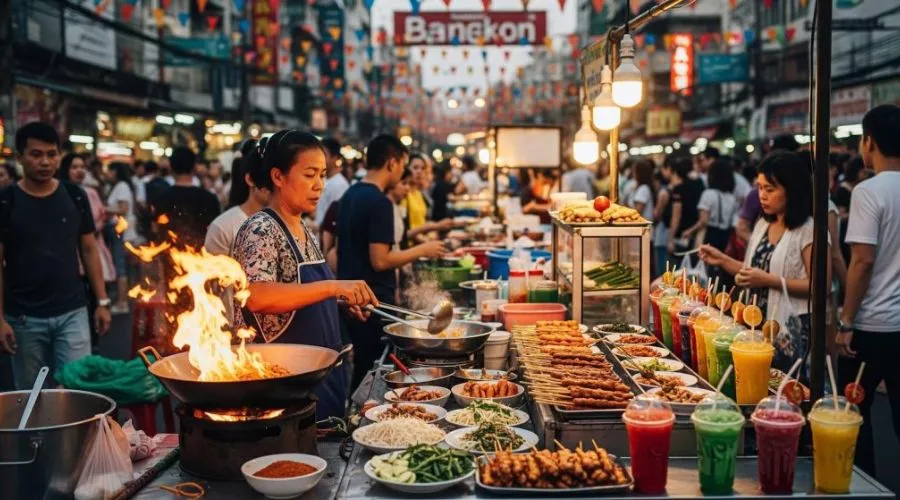
Weekend food markets are more than just places to eat. They are living stages where farmers, bakers, chefs, brewers, and homegrown artisans perform side by side. Steam rises from grills. Citrus perfumes the air. Spices drift through crowded walkways. Every stall tells a story, and every plate carries the personality of the community that created it.
Unlike restaurants built for permanence, weekend food markets thrive on motion and rhythm. Vendors change with the seasons. Menus shift with the harvest. New flavors appear unannounced. Locals return not only for food, but for the feeling that something unexpected may happen every time they arrive.
From coastal boardwalks to historic town squares, these markets reveal how deeply food is woven into neighborhood identity. This journey explores some of the most vibrant weekend food markets and why they matter far beyond the plate.
Smorgasburg – Brooklyn
A Global Street Feast Along the Waterfront
Smorgasburg unfolds beside open water with sweeping skyline views and endless culinary curiosity. Rows of vendors present everything from wood-fired pizza topped with wild mushrooms to delicate seafood rolls layered with citrus and herbs.
What defines this market is not any single dish, but the fearless diversity. Lines form fast. Strangers share picnic tables. Every bite feels experimental yet grounded in comfort.
Here, street food operates at festival scale without losing its handmade soul.
Ferry Plaza Farmers Market – San Francisco
Where Farmers and Chefs Meet Face to Face
Set beside historic architecture and ocean air, Ferry Plaza Farmers Market remains one of the most chef-driven food markets anywhere. Farmers present just-picked stone fruit beside tables lined with heirloom tomatoes still warm from the sun.
Bread bakers slice loaves that disappear within minutes. Cheesemakers offer samples straight from aging rooms. Shoppers arrive with canvas bags and clear intent.
This market functions as both pantry and classroom, teaching through taste.
Hollywood Farmers Market – Los Angeles
A Neighborhood Ritual With Star Power
Operating every weekend with unwavering consistency, Hollywood Farmers Market blends serious produce sourcing with unmistakable local energy. Citrus arrives in dozens of varieties. Avocados range from buttery to bright. Prepared food stalls deliver tamales, pastries, noodles, and roasted meats.
Chefs shop next to families. Musicians play from sidewalk corners. Long conversations bloom over paper trays filled with fresh fruit.
The market thrives not on spectacle, but on dependable excellence.
Pike Place Market – Seattle
Where Food Theater Meets Daily Trade
Few places combine performance and practicality like Pike Place Market. Fishmongers toss salmon through the air while shoppers call out orders in crowded lanes. Below street level, bakeries, spice stalls, produce vendors, and noodle counters operate in constant motion.
Tourists arrive for photos. Locals arrive for groceries. Both leave with something memorable in hand.
This market succeeds because it never tries to be quiet.
Union Square Greenmarket – Manhattan
Seasonal Eating Written in Real Time
At Union Square Greenmarket, flavor follows calendar, not convenience. Asparagus arrives in spring. Berries explode in early summer. Apples stack high in autumn. Root vegetables dominate winter tables.
Farmers explain their growing methods with pride. Shoppers adapt menus to whatever appears that weekend. The bond between land and city becomes visible with every transaction.
This market proves seasonality is not a concept—it is a weekly reality.
Eastern Market – Detroit
A Century of Trade Under One Roof
Operating for generations, Eastern Market blends food commerce with deep neighborhood legacy. Meat counters buzz with early-morning orders. Produce stalls overflow with regional harvest. Spice vendors perfume entire aisles with layered aroma.
Food trucks park outside while families fill reusable bags inside. The atmosphere feels both industrial and celebratory.
Here, weekend shopping becomes a ritual stitched into the city’s fabric.
St. George Open-Air Market – Staten Island
Waterfront Browsing With Local Flavor
The St. George Open-Air Market unfolds beside ferry routes and waterfront paths, combining street food with artisan craft. Dumplings sizzle next to wood-fired flatbreads. Roasted corn steams under drifting clouds of butter and chili.
Local producers rotate weekly, keeping the lineup fresh. Musicians create soft background rhythm as shoppers wander with casual curiosity.
This market feels like a weekend promenade powered by food.
Pearl Farmers Market – San Antonio
Regional Identity Through Ingredient and Tradition
At Pearl Farmers Market, regional cooking traditions meet modern culinary craftsmanship. Fresh tortillas warm on hot griddles. Barbecue smoke curls through open courtyards. Regional cheeses, honey, and produce fill long communal tables.
The surrounding historic setting deepens the sense of place. Visitors linger not only to eat, but to observe how food narrates cultural continuity.
This market feeds both body and memory.
Downtown Farmers Market – Des Moines
Midwestern Abundance at Human Scale
The Downtown Farmers Market transforms streets into food corridors every weekend. Sweet corn appears in towering piles. Fresh-baked pies cool beneath open tents. Roasted nuts, fresh lemonade, and sizzling sausages create layered scent trails.
Families push strollers beside runners refueling after long routes. The market feels joyful without noise, busy without chaos.
Here, abundance meets approachability.
Old Town Farmers Market – Albuquerque
Regional Heritage Through Flavor
Set beneath wide skies and historic adobe architecture, Old Town Farmers Market celebrates local chile culture, native grains, and desert-adapted produce. Roasted green chile perfumes entire blocks. Blue corn breads, honey, and handcrafted sweets dominate specialty tables.
Prepared food vendors reinterpret regional classics with thoughtful detail. The market connects ancient culinary traditions to modern appetite.
This space honors the land as much as the plate.
Crescent City Farmers Market – New Orleans
Where Produce, Spice, and Music Intertwine
At Crescent City Farmers Market, cooking feels inseparable from culture. Seafood arrives straight from the coast. Okra, peppers, and herbs pile high beside spice blends that echo neighborhood kitchens.
Brass music drifts through the aisles. Conversations stretch long. Food feels less like transaction and more like shared language.
This market thrives on rhythm as much as flavor.
Denver Union Station Farmers Market – Denver
Mountain Freshness in Urban Surroundings
The Denver Union Station Farmers Market blends alpine produce with city speed. Crisp apples, mountain honey, roasted coffee beans, and pasture-raised meats line modern transit corridors.
Commuters pause with iced drinks. Families picnic near platform edges. The contrast between rail lines and farm goods sharpens appreciation for both.
This market reminds visitors that rural and urban worlds constantly overlap.
Phoenix Uptown Market – Phoenix
Desert Produce With Vibrant Color
At Phoenix Uptown Market, desert agriculture shines through unexpected richness. Stone fruit, citrus, dates, and herbs flourish beneath morning sun. Street food vendors balance heat with sweetness, acidity with smoke.
Prepared dishes lean bold and generous. Shoppers linger despite rising temperatures.
This market proves abundance thrives even in challenging climates.
Raleigh State Farmers Market – Raleigh
Farm Direct at Full Spectrum
The Raleigh State Farmers Market operates with sprawling scale and focused purpose. Farmers arrive early with truckloads of vegetables, eggs, flowers, preserves, and baked goods.
Prepared food counters serve regional comfort dishes built from ingredients sold just steps away. Everything feels immediate, honest, and full.
This market embodies transparency at every level of food exchange.
Boise Farmers Market – Boise
Small-City Warmth With Big Flavor
The Boise Farmers Market balances relaxed pace with refined food culture. Artisanal breads, handcrafted cheeses, seasonal produce, and thoughtful street food share compact walkways.
Shoppers greet vendors by name. Dogs nap beneath tables. Children sample berries without needing persuasion.
This market thrives on familiarity rather than spectacle.
Why Weekend Food Markets Matter
Weekend food markets succeed because they do something modern food chains cannot replicate: they compress the entire food system into one shared physical space. Growers stand beside cooks. Bakers meet eaters. Conversations replace menus.
Several defining traits unite these markets across cities:
- Immediate connection between producer and consumer
- Menus shaped by weather, not logistics
- Flavors that reflect soil and season
- Community built through repetition
- Discovery powered by chance rather than marketing
Each visit becomes a living snapshot of a specific place and time.
The Emotional Power of Market Eating
Food eaten at a market feels different. Plates arrive without ceremony. Seating remains informal. Yet the experience often feels richer than formal dining. Why?
Because anticipation builds through wandering. Hunger sharpens during browsing. Choice feels earned rather than assigned. Every bite carries the story of how it was found.
This emotional layering transforms even simple food into memory.
How Markets Shape Local Food Innovation
Many chefs test ideas at markets long before opening permanent kitchens. Dumplings evolve through customer feedback. Sauces adjust based on seasonal produce. Portions shift based on how quickly hands reach back for more.
Markets act as living laboratories, shaping trends months or years before they reach formal dining rooms.
Innovation here remains grounded, practical, and audience-driven.
Sustainability Through Direct Trade
Unlike distant supply chains, markets reward short journeys. Produce travels fewer miles. Packaging reduces naturally through bulk buying. Leftovers often return to kitchens or compost rather than landfill.
These spaces quietly model circular food economies without requiring slogans.
Sustainability becomes behavior rather than branding.
Markets as Social Anchors
Beyond food, weekend markets serve as:
- Neighborhood meeting points
- Cultural exchange hubs
- Small-business incubators
- Family outing traditions
- Creative performance spaces
They offer something increasingly rare in urban life: unprogrammed community gathering.
People arrive without strict agendas. Conversations unfold naturally between strangers. Time loosens its grip.
The Future of Weekend Food Markets
As cities grow denser and digital routines expand, the role of physical gathering spaces becomes more valuable. Weekend food markets now evolve into:
- Hybrid craft and cuisine spaces
- Educational tasting grounds
- Tourism gateways
- Wellness-oriented food centers
- Cultural storytelling platforms
Their future lies not in becoming larger, but in becoming deeper.
Final Thoughts
Weekend food markets endure because they deliver something technology cannot manufacture: human exchange wrapped in aroma, texture, and taste. They celebrate imperfection, seasonality, and surprise. They remind visitors that food is not only nourishment—it is communication.
Every stall offers more than a snack. It offers a story. Every purchase builds a relationship. Every shared table opens a moment of connection.
