
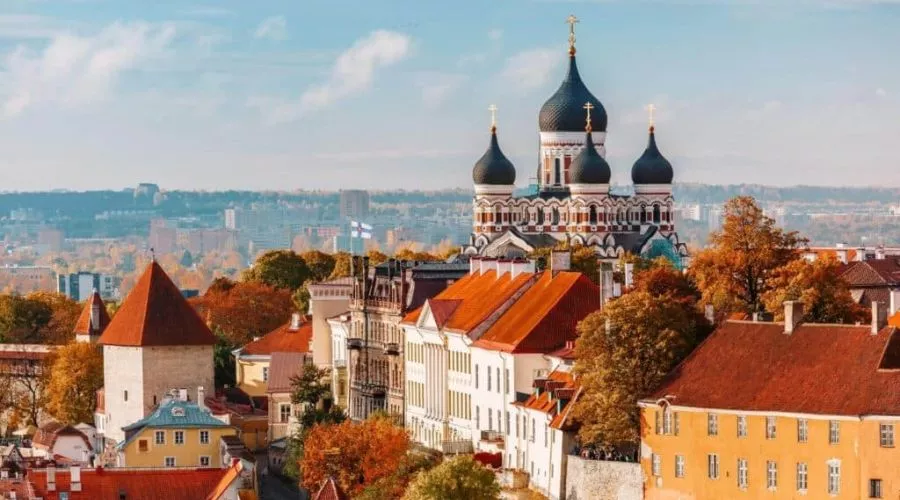
When people think of city travel, the same famous names often dominate the conversation—bright skylines, packed landmarks, endless queues, and sky-high prices. Yet beyond these global headliners lies a world of underrated urban escapes: cities bursting with culture, creativity, cuisine, and character, all without the overwhelming crowds.
These are the destinations where discovery still feels personal. Streets feel local, café conversations feel unfiltered, and experiences feel earned rather than packaged. Whether shaped by coastal beauty, artistic energy, mountain backdrops, or historic soul, these overlooked cities offer everything a great city break promises—minus the chaos.
If you crave immersive travel, rich storytelling, and unexpected delights, these underrated urban escapes may just redefine how you explore the world.
Porto – Old-World Beauty with a Modern Creative Pulse
Porto is a city that seduces slowly. Its riverside skyline glows with tiled facades, steep lanes, and historic bridges that frame dramatic sunsets. While it retains old-world charm, a youthful creative scene now thrives in its galleries, wine bars, and design-led cafés.
The culinary experience is deeply satisfying—grilled seafood, slow-cooked stews, and pastries paired with world-renowned regional wines. Boutique hotels hide behind ancient walls, blending heritage architecture with contemporary luxury.
Porto remains wonderfully walkable, relaxed, and refreshingly free from the intensity found in larger capitals. It’s a city that invites exploration without exhaustion.
Ljubljana – Europe’s Greenest Capital You’ve Never Explored
Often overlooked in favor of flashier neighbors, Ljubljana is quietly one of Europe’s most charming and livable cities. A river curves through its heart, lined with pastel buildings, café terraces, and leafy promenades.
The old town feels like a storybook setting—castle views, pedestrian bridges, and cultural squares filled with local life rather than tour groups. Sustainability defines the city’s identity, with car-free zones, green spaces, and farm-to-table dining as the norm.
Ljubljana delivers culture, nightlife, history, and nature in perfect balance, making it one of the continent’s most underrated urban escapes.
Medellín – Innovation, Energy, and Eternal Spring
Once misunderstood, Medellín has transformed into one of the most dynamic and forward-thinking cities in Latin America. Set in a lush valley, it enjoys near-perfect weather year-round and a skyline framed by dramatic green hills.
Today, the city thrives on innovation, public art, creative districts, and a fast-growing culinary scene. Cable cars link hillside neighborhoods with city life, offering soaring views and seamless access to vibrant communities.
Medellín is energetic but not overwhelming, creative but deeply rooted, and one of the most inspiring examples of urban reinvention in the modern world.
Tbilisi – A Fusion of Ancient Heritage and Underground Cool
Tbilisi blends ancient architecture, soulful cuisine, and edgy creative scenes into one unforgettable cityscape. Cobbled lanes lead to sulfur bathhouses, hidden wine bars, art courtyards, and hillside viewpoints where centuries collide.
Food is the heartbeat of the city—bold spices, slow-baked breads, dumplings bursting with broth, and wines produced using techniques thousands of years old. Meanwhile, abandoned factories host nightlife scenes that rival any major European hub.
Tbilisi feels raw, expressive, and alive—a city that rewards curious travelers who appreciate rough edges and rich culture.
Valparaíso – Artistic Chaos on the Pacific Coast
Color spills down every hill in Valparaíso. This coastal city is a maze of staircases, cliffside homes, street murals, and funiculars climbing impossible gradients.
Artists, musicians, poets, and dreamers shape its identity. Hidden cafés, sea-view hostels, and rooftop bars turn daily life into an open-air gallery. The city doesn’t operate on polish—it thrives on personality.
Valparaíso is not perfect, and that’s precisely its magic. It offers one of the most authentic, creative, and affordable coastal city breaks anywhere.
Osaka – The Cultural Capital of Everyday Life
Often overshadowed by flashier neighbors, Osaka offers one of the richest urban experiences in East Asia. It is a city of food, friendliness, late nights, and unforgettable energy.
Street food culture defines daily life—smoky grills, sizzling pans, crowded night alleys, and endless local specialties. Shopping districts buzz with life until dawn, while traditional neighborhoods preserve centuries-old rituals.
Osaka feels real, social, and wonderfully unpretentious. It is less about rigid sightseeing and more about immersive urban living—and that’s exactly why it stands out.
Gdańsk – Baltic Beauty with a Resilient Soul
Gdańsk’s colorful waterfront, medieval streets, and maritime heritage create a stunning visual identity, yet it remains overlooked by most international travelers.
The rebuilt old town tells stories of resilience, trade, and cultural exchange. Amber boutiques, dockside cafés, and riverside promenades shape daily life. The food scene balances comfort fare with modern culinary innovation.
Gdańsk offers the elegance of a historic port city without the tourist saturation—perfect for slow travelers and architecture lovers.
Puebla – Colonial Grandeur and Culinary Mastery
Puebla is a living museum of colonial architecture, artistic tradition, and one of the world’s richest food cultures. Its historic center is filled with tiled facades, shadowy arcades, and grand plazas alive with local rhythm.
Cuisine here is legendary—complex sauces, ancient ingredients, slow-cooked meats, and layered flavors shaped by centuries of blending cultures. Meals are not rushed; they are celebrated.
Ringed by volcano views and traditional markets, Puebla feels deeply rooted, deeply flavorful, and criminally underrated.
Riga – Art Nouveau Elegance and Baltic Edge
Riga surprises with one of the most impressive collections of Art Nouveau architecture in the world. Elegant facades, grand boulevards, and riverside parks define its stately beauty.
Yet beneath that elegance pulses a lively cultural scene of design studios, underground music venues, craft breweries, and modern gastronomy. The city transitions effortlessly between refined and rebellious.
Riga offers visual drama, creative energy, and affordability—a rare and powerful combination for an urban getaway.
Why Underrated Cities Are the Future of Urban Travel
As overtourism reshapes major destinations, travelers are increasingly drawn toward cities that still feel livable, breathable, and authentic. Underrated urban escapes offer several compelling advantages:
- Fewer crowds and shorter queues
- More personal interactions with locals
- Better value for food, stays, and experiences
- Creative, experimental food scenes
- Stronger sense of identity and place
These cities don’t chase attention. Instead, they evolve organically—driven by artists, entrepreneurs, chefs, students, and local communities.
How to Experience an Underrated City Like a Local
To unlock the true soul of an underrated destination, travelers should shift their approach:
- Walk instead of rushing between landmarks
- Eat where residents eat, not where guidebooks point
- Visit creative districts and residential neighborhoods
- Join cooking classes, art workshops, or walking tours
- Attend small concerts, markets, and local festivals
These micro-experiences often create bigger memories than headline attractions.
Best Time to Visit for a Relaxed Experience
Spring and autumn remain the best seasons for underrated city travel. Weather is ideal, cultural calendars are full, and the pace remains comfortable. Shoulder seasons also allow greater access to boutique hotels, private guides, and intimate dining.
Winter brings cinematic charm to colder cities, while summer transforms coastal and riverside escapes into outdoor playgrounds.
Final Thoughts
Underrated urban escapes are where the future of meaningful city travel truly lives. These destinations offer culture without crowds, flavor without filters, and history without hype.
From creative capitals and colonial treasures to artistic ports and mountain-ringed innovators, these cities prove that you don’t need a famous name to have a world-class experience.
