
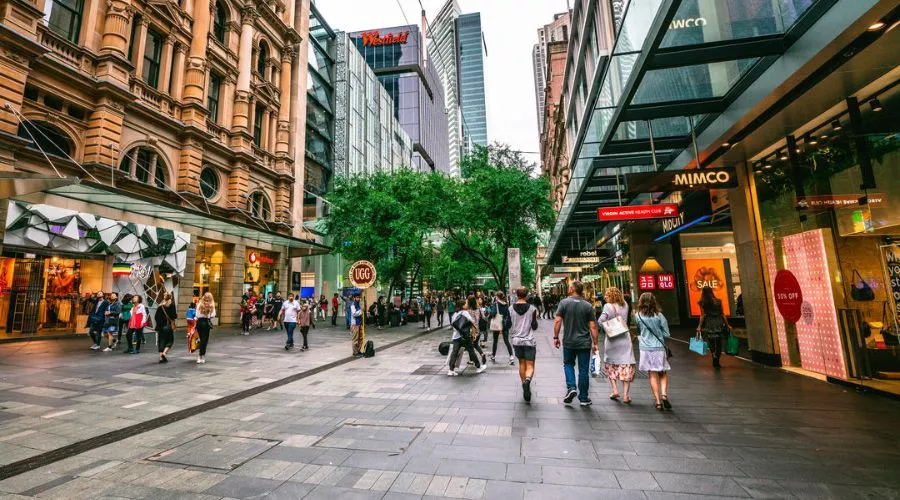
Fashion does not exist only on runways or inside glossy pages. It lives on streets—avenues shaped by footsteps, storefronts built on imagination, and neighborhoods defined by attitude. The most iconic fashion shopping streets serve as open-air theaters of style, where luxury meets streetwear, heritage meets rebellion, and timeless silhouettes walk alongside emerging trends.
These streets become cultural landmarks not because of a single brand, but because of rhythm. The way shoppers move. The way windows change with seasons. The way cafés spill into sidewalks and mirrors reflect both clothing and confidence. These style corridors shape how cities present themselves to the world.
From polished luxury boulevards to creative fashion lanes built on grit and originality, the streets below define global retail culture through personality, craftsmanship, and bold identity.
Fifth Avenue – New York City
The Ultimate Global Luxury Runway
Few streets carry the symbolic weight of Fifth Avenue. Stretching through towering architecture and historic institutions, this boulevard remains a benchmark for luxury retail on a monumental scale. Flagship boutiques from legacy fashion houses stand shoulder to shoulder with jewelry salons that glisten behind armored glass.
Shopping here feels ceremonial. Window displays unfold as visual storytelling experiences. Customers enter marble-clad interiors designed to feel more like galleries than shops. Whether browsing couture, watches, or fine leather goods, Fifth Avenue offers a sense of theatrical elegance unmatched by any other retail corridor.
This street does not follow fashion cycles—it defines them.
Madison Avenue – New York City
Quiet Power and Refined Taste
While Fifth Avenue dazzles openly, Madison Avenue whispers confidence through understatement. This is where discreet luxury thrives—tailored suits, handcrafted footwear, heritage watchmakers, and minimalist couture.
The clientele favors quality over spectacle. Store interiors feel like private salons rather than bustling showrooms. Personal shoppers guide loyal visitors through seasonal refreshes curated with precision.
Madison Avenue proves that the most powerful fashion statements do not require noise.
Rodeo Drive – Beverly Hills
Cinema, Couture, and Carved Glamour
Lined with palm trees and European-style architecture, Rodeo Drive exists as both shopping destination and cinematic fantasy. Supercars glide past couture storefronts. Stylists arrive with garment racks and color palettes. Tourists capture storefront reflections like movie stills.
The fashion here leans unapologetically grand—red carpet gowns, bespoke tailoring, diamond collections, and limited-edition accessories. Even casual browsing feels like participating in a fashion production.
Rodeo Drive transforms shopping into spectacle without apology.
Melrose Avenue – Los Angeles
Streetwear, Vintage, and Creative Heat
While Rodeo celebrates refinement, Melrose Avenue thrives on experimentation. Murals change weekly. Pop-up drops appear without warning. Vintage boutiques overflow with denim, leather, and archive sportswear pieces.
This street attracts stylists, designers, musicians, and collectors hunting for pieces that cannot be found anywhere else. Independent labels flourish beside cult sneaker shops and reworked fashion studios.
Melrose refuses uniformity—and that rebellion fuels its energy.
Michigan Avenue – Chicago
Architectural Grandeur Meets Retail Precision
Known locally as the Magnificent Mile, Michigan Avenue blends historic skyscrapers with modern luxury retail. Glass towers reflect couture windows. Heritage department stores anchor full city blocks.
Fashion here balances polish and practicality. Winter-ready outerwear shares space with runway-driven ready-to-wear. Accessory boutiques cater to weekday professionals and weekend explorers alike.
Michigan Avenue demonstrates how retail adapts to both climate and culture.
Union Square District – San Francisco
Independent Labels and Concept Fashion
Rather than relying on a single street name, the Union Square District functions as a dense fashion ecosystem. Victorian architecture frames flagship stores, experimental designers, and concept boutiques under one stylistic umbrella.
Luxury brands operate alongside young designers introducing sustainable fabrics, gender-fluid tailoring, and tech-integrated garments. Fashion feels future-facing rather than archival.
Here, innovation walks faster than tradition, and style evolves in real time.
Newbury Street – Boston
Brownstone Chic With Youthful Edge
Running through elegant historic architecture, Newbury Street combines boutique luxury with collegiate energy. High fashion houses share sidewalks with niche designers, jewelry ateliers, sneaker shops, and independent lifestyle brands.
The crowd shifts constantly—students in the morning, professionals by afternoon, stylists and creatives by evening. The fashion energy feels smart rather than showy.
Newbury Street balances intellect and expression with effortless grace.
Lincoln Road – Miami Beach
Resort Fashion and Sunset Style
Set beneath open skies and art deco surroundings, Lincoln Road transforms fashion into an outdoor experience. Shoppers move between swimwear flagships, luxury eyewear stores, resort-ready couture, and avant-garde accessory boutiques.
Evenings bring a different mood—bold colors, silk textures, and statement footwear dominate sidewalk movement. Fashion here leans expressive, sunlit, and confident.
Lincoln Road sells not only clothing, but atmosphere.
Abbot Kinney Boulevard – Venice
Sustainable Style and Experimental Retail
Abbot Kinney Boulevard represents modern fashion values shaped by craftsmanship, sustainability, and design storytelling. Independent labels dominate the street, offering natural-dyed textiles, responsibly sourced leather, and architectural silhouettes.
Concept stores blur the line between fashion, design, and wellness. Window displays feel artistic rather than commercial. Shoppers value process as much as product.
This boulevard proves that ethical fashion can still feel bold and luxurious.
South Congress Avenue – Austin
Vintage Cool and Creative Confidence
Known locally as SoCo, South Congress Avenue combines retro charm with modern creative culture. Cowboy boots share shelf space with indie street labels. Hand-tooled leather bags hang beside experimental graphic tees.
Live music drifts through store doorways. Tattoo studios mix with fashion studios. Shopping here feels less transactional and more expressive.
South Congress thrives on personality over polish.
King Street – Charleston
Southern Elegance and Timeless Detail
King Street carries a refined warmth rooted in handcrafted fashion, coastal tailoring, and slow luxury. Independent jewelers, bespoke menswear ateliers, and designer boutiques unfold across preserved historic blocks.
Color palettes soften into linens, pastels, silks, and handcrafted accessories. Fashion here reflects climate, heritage, and craft rather than fleeting trend velocity.
This street demonstrates how regional identity becomes style language.
Pearl Street – Boulder
Outdoor Performance Meets Urban Fashion
Pearl Street blends performance wear with modern fashion retail. Technical outerwear boutiques neighbor minimalist design studios and sustainable footwear brands. Shoppers move between adventure-minded gear and everyday style.
Street performers, brick walkways, and mountain light shape the atmosphere. Fashion here values function without abandoning form.
Pearl Street reflects how lifestyle shapes wardrobe philosophy.
Magazine Street – New Orleans
Vintage Romance and Eclectic Fashion
Stretching through multiple neighborhoods, Magazine Street unfolds like a treasure map of vintage couture, contemporary boutiques, handmade jewelry, and antique textiles. Each section reveals a different mood.
Silk dresses sway beside handmade leather sandals. Costume jewelry rests beneath chandeliers rescued from historic estates. Fashion here feels narrative-driven rather than seasonal.
Magazine Street transforms shopping into storytelling.
Why Iconic Fashion Streets Matter
These streets succeed not simply because of brand density, but because they shape how people interact with style in real physical space. Several shared qualities define lasting fashion streets:
- Walkability that encourages slow discovery
- Window displays used as creative theater
- Independent designers thriving beside legacy houses
- Cultural energy woven into daily shopping rhythm
- Visual identity that extends beyond storefronts
They operate as both commercial centers and cultural platforms.
Fashion Streets as Cultural Mirrors
Each iconic shopping street reflects local values through clothing:
- Precision tailoring mirrors corporate districts
- Streetwear dominance reflects youth culture
- Resort fashion follows coastal climate
- Handmade craftsmanship reflects regional heritage
Fashion becomes geography stitched into fabric.
The Role of Flagship Stores in Urban Identity
Flagship boutiques redefine retail by transforming shopping into immersive experience. Architecture, scent, sound, lighting, and spatial choreography shape emotional response.
Visitors no longer enter stores only to buy. They arrive to explore identity through design language.
Modern fashion streets function as open-air museums curated by competing creative visions.
How Social Media Changed Fashion Streets Without Replacing Them
Digital discovery accelerated global visibility, yet physical fashion streets remain irreplaceable. Texture, tailoring fidelity, fabric weight, mirror reflection, and movement cannot be replicated through screens.
Online attention amplifies desire. Streets fulfill it.
The Future of Fashion Shopping Streets
The next evolution already unfolds across leading style corridors:
- Sustainable retail replacing mass production
- Limited-run drops replacing bulk inventory
- Experience-driven stores replacing traditional shelving
- Hybrid café, gallery, and boutique formats
- Community-based fashion storytelling
The street remains the stage—only the script continues to evolve.
Final Thoughts
Iconic fashion shopping streets endure because they are not merely retail zones. They are living style ecosystems shaped by architecture, people, climate, creativity, and movement. They host daily fashion theater without tickets. They adapt to generational shifts without erasing history.
On these sidewalks, style becomes conversation. Fabric becomes language. Movement becomes mood.
