
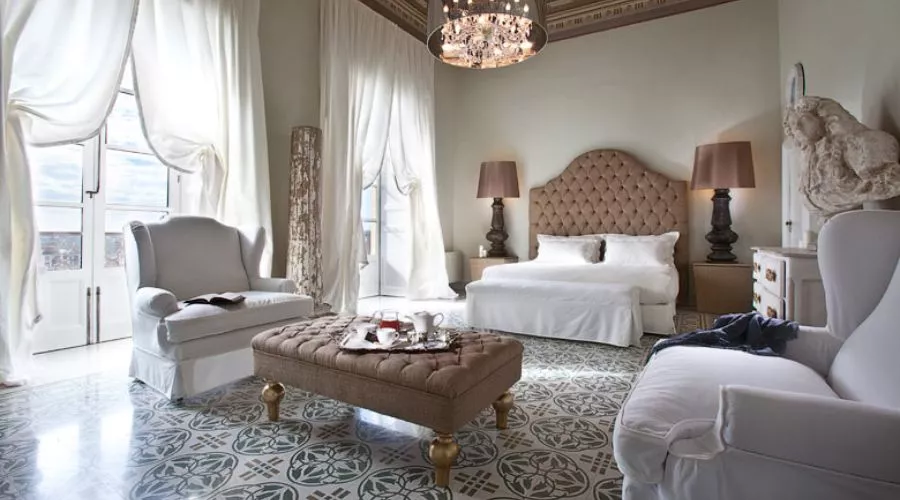
In an era when travel is no longer just about getting from point A to point B, hotel experiences have evolved into a core part of the journey. Designer boutique hotel rooms are at the forefront of this evolution, combining high-end design, local culture, and personalized service to create environments that are both functional and immersive. Unlike traditional chain hotels, boutique accommodations emphasize individuality, thoughtful aesthetics, and curated experiences, transforming a simple overnight stay into a sensory journey.
What Defines a Designer Boutique Hotel Room?
Designer boutique hotel rooms differ from standard hotel accommodations in several key ways:
- Unique Design Vision – Every room is crafted with an overarching design philosophy. Whether influenced by contemporary art, mid-century modern aesthetics, or regional cultural motifs, each space tells a story.
- Attention to Detail – From custom furniture to curated artwork, lighting choices, and bespoke textiles, every element is carefully selected. Nothing feels generic or mass-produced.
- Integration of Local Culture – Boutique hotels often collaborate with local artists, artisans, and designers, ensuring that the property reflects the character of its surroundings.
- Intimate Scale – Boutique properties are typically smaller than large hotels, allowing designers to focus on every detail and create rooms with personality rather than uniformity.
- Experiential Comfort – Beyond aesthetics, designer boutique rooms emphasize guest comfort, integrating ergonomics, ambient lighting, and thoughtful amenities.
The combination of these factors elevates the room from a functional space to a curated experience, blending art, culture, and hospitality.
Design Elements That Elevate Boutique Rooms
Several design elements are hallmarks of a well-executed boutique hotel room.
1. Statement Furniture
Designer furniture often serves as the focal point of the room. Custom-made beds, armchairs, and desks not only provide comfort but also showcase craftsmanship. High-quality materials, ergonomic designs, and sculptural forms transform furniture into functional art.
2. Artful Lighting
Lighting is central to ambiance. Layered lighting strategies—combining overhead fixtures, bedside lamps, wall sconces, and accent lighting—create warmth and flexibility. Designers often incorporate unique lamps or chandeliers that double as artistic statements.
3. Curated Artwork
Original paintings, photography, or sculptures add personality and a sense of place. Many boutique hotels collaborate with local galleries or emerging artists, giving guests access to art that might otherwise be inaccessible.
4. Textiles and Materials
Luxury textiles, such as handwoven rugs, silk cushions, and organic cotton linens, provide tactile comfort. Natural materials like wood, stone, and leather are often used to enhance the sensory experience. Patterns may reflect cultural heritage or contemporary trends, balancing visual interest with subtlety.
5. Color and Palette Choices
Color schemes in designer boutique rooms are intentional, often chosen to evoke a mood or reinforce the hotel’s identity. Neutral palettes create calm, restorative spaces, while bold accent colors add drama and energy.
Incorporating Local Culture into Design
One of the most compelling aspects of designer boutique hotel rooms is their ability to reflect the character of the city or region.
- Regional Materials: Rooms may feature local stone, ceramics, or textiles, linking interiors to the natural and cultural landscape.
- Traditional Craftsmanship: Furniture or décor elements often highlight local artisanal techniques, from hand-carved wood to woven wall hangings.
- Cultural Motifs: Patterns, colors, and artwork inspired by local history or folklore create spaces that are rooted in place rather than replicating a global chain aesthetic.
- Gastronomic Touches: Minibars stocked with local specialties or coffee and tea selections from regional producers can enhance the sense of immersion.
Guests often report that these localized touches create a stronger sense of connection to the destination, making their stay feel truly unique.
The Role of Technology in Boutique Hotel Rooms
Modern boutique hotels balance design aesthetics with smart functionality.
- Integrated Controls: Guests can often control lighting, temperature, and entertainment systems with intuitive interfaces.
- High-Speed Connectivity: Reliable Wi-Fi and smart TVs are seamlessly integrated into the design.
- Luxury Amenities: Designer bathrooms may include rain showers, freestanding tubs, and high-quality bath products, often sourced from artisanal or sustainable producers.
- Privacy and Convenience: Advanced locks, keyless entry, and soundproofing enhance both security and comfort.
Technology in boutique hotel rooms is designed to be invisible, complementing the environment rather than dominating it.
Signature Features That Set Boutique Rooms Apart
Certain features consistently distinguish designer boutique hotel rooms from more conventional accommodations:
- Custom Art Installations: Hand-painted murals, sculptures, or wall art often personalize each room.
- Unique Views: Smaller properties may offer rooms with private terraces, garden outlooks, or skyline perspectives unavailable in larger hotels.
- Personalized Amenities: From curated minibar selections to bespoke welcome gifts, these touches reinforce the sense of exclusivity.
- Thoughtful Layouts: Efficient use of space, creative storage solutions, and open layouts make the room feel spacious and intentional.
- Sensory Elements: Scent, texture, and acoustics are considered in design, creating immersive experiences beyond the visual realm.
Why Boutique Hotels Appeal to Modern Travelers
Travelers increasingly seek authentic, memorable experiences rather than standardized hospitality. Boutique hotels cater to this demand by offering:
- Personalized Service: Staff often know guests by name and can provide tailored recommendations.
- Instagrammable Interiors: Carefully curated rooms make for visually striking experiences that guests love to capture and share.
- A Sense of Story: Each property has a narrative, whether inspired by a historical building, a designer’s vision, or the local culture.
- Privacy and Intimacy: Smaller properties feel more exclusive and less crowded than large-scale hotels.
Boutique accommodations appeal to those who see travel as a lifestyle experience rather than a transactional stay.
Choosing the Right Designer Boutique Hotel Room
When selecting a boutique hotel, several factors can enhance the experience:
- Research Design Style: Look for hotels whose aesthetic aligns with personal taste, whether minimal, eclectic, mid-century, or contemporary.
- Read Guest Reviews: Pay attention to feedback about comfort, cleanliness, and the authenticity of design features.
- Check Room Variations: Many boutique hotels offer different room types with unique layouts, furnishings, or views. Explore options before booking.
- Consider Amenities: Evaluate whether features such as in-room spa services, curated minibars, or private terraces are important to the stay.
- Location Matters: Proximity to cultural attractions, neighborhoods, and dining options can enhance the immersive experience.
Boutique Hotels and Sustainability
Sustainable practices are increasingly integrated into designer boutique hotel design:
- Eco-Friendly Materials: Use of reclaimed wood, recycled metals, and low-impact textiles reduces environmental footprint.
- Energy Efficiency: Smart lighting, water-saving fixtures, and efficient HVAC systems are becoming standard.
- Local Sourcing: Collaborating with regional artisans and producers minimizes transportation emissions and supports the local economy.
- Minimal Waste: Attention to packaging, amenities, and recycling ensures that luxury does not come at an ecological cost.
Boutique hotels demonstrate that luxury and sustainability can coexist harmoniously.
Experiencing Luxury Beyond the Room
Designer boutique hotel rooms often provide a gateway to a larger curated experience:
- Hotel Public Spaces: Restaurants, lounges, and galleries frequently carry the same design philosophy as guest rooms.
- Cultural Programming: Some properties offer artist talks, workshops, or guided tours that extend the aesthetic narrative.
- Wellness and Leisure: Rooftop terraces, boutique gyms, or intimate spas complement the room experience.
- Local Recommendations: Concierge services often provide insider tips for dining, shopping, and cultural immersion, enhancing the overall sense of place.
In this way, the room becomes both sanctuary and starting point for a curated exploration.
Final Thoughts
Designer boutique hotel rooms represent a fusion of art, culture, and hospitality. They offer more than a bed—they provide an environment carefully tailored to comfort, aesthetics, and storytelling. From custom furniture to locally sourced artwork, from immersive lighting to sensory details, every aspect is intentional.
Staying in a boutique hotel transforms travel into a multi-sensory experience where personal comfort meets cultural connection. These rooms reward curiosity, invite relaxation, and create lasting impressions that extend beyond the stay.
